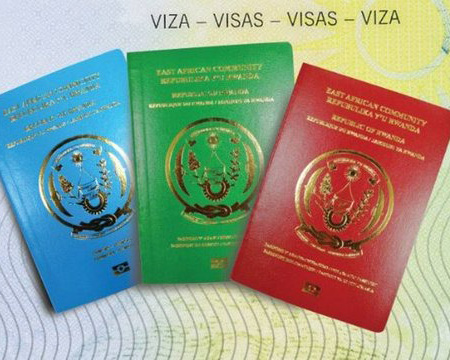
RWANDA ‘S VISA REGIME
From 1st Jan 2018, Nationals of all countries receive visa on arrival at Kigali International Airport and all land borders.
Citizens of countries members to the following international organizations; African Union, Commonwealth and La Francophonie get visa upon arrival and are waived visa fees for a visit of 30 days.
A citizen of East African Community Member States shall be issued a pass/entry visa free of charge upon arrival to stay for the period of six months.
CLIMATE
Fractionally south of the Equator and with much of the country lying at altitude, Rwanda enjoys an agreeable tropical highland climate.
Temperatures vary considerably between locations, but vary little from month to month.
Peak temperatures rarely exceed 30°C (86°F) in the daytime or drop below 15°C (59°F) at night. Akagera is generally the warmest and the Virunga mountains the coolest.
The average daily temperature in Kigali is 21°C (70°F).
There are two rainy seasons in a year, from mid-February to May and mid-September to mid-December.
The dry season, from June to mid-September, sees light cloud cover and occasional light rainfall. The roads and paths tend to be easier to navigate in this period.
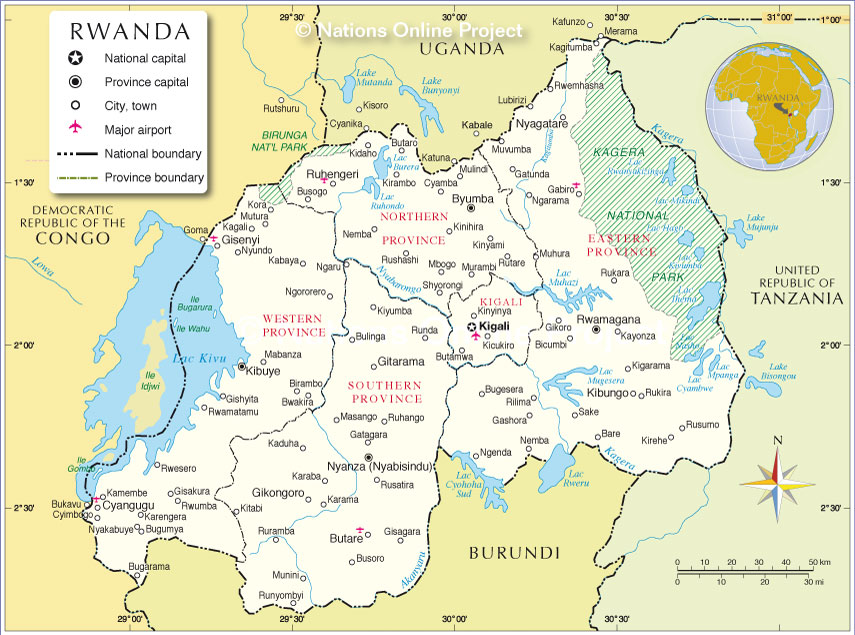
RWANDA
Rwanda, officially the Republic of Rwanda, is a landlocked country in the Great Rift Valley, where the African Great Lakes region and East Africa converge. One of the smallest countries on the African mainland, its capital city is Kigali. Located a few degrees south of the Equator, Rwanda is bordered by Uganda, Tanzania, Burundi, and the Democratic Republic of the Congo. It is highly elevated, giving it the soubriquet "land of thousand hills", with its geography dominated by mountains in the west and savanna to the east, with numerous lakes throughout the country. The climate is temperate to subtropical, with two rainy seasons and two dry seasons each year. Rwanda has a population of over 13 million living on 26,338 km2 (10,169 mi2) of land, and is the most densely populated mainland African country.
The population is young and predominantly rural. Rwandans are drawn from just one cultural and linguistic group, the Banyarwanda.
CULTURE & PEOPLE
The culture of Rwanda is varied. Unlike many countries in Africa, Rwanda has been a unified state since pre-colonial times, populated by the Banyarwanda people who share a single language and cultural heritage. Music and dance are an essential part of Rwandan ceremonies, celebration, social gatherings and storytelling. The most well-known traditional dance is the umushagiriro, or cow dance, performed by women, the or dance of heroes, performed by men, and the drumming, also traditionally performed by men, on drums known as ingoma. Music is transmitted orally, with styles varying between the social groups.
Drums are of great importance; the royal drummers enjoyed high status within the court of the King (Mwami Drummers and the dance is usually played between seven and nine in number. Although the country has a growing popular music industry with very many musicians most of them are influenced by East African, Congolese, and American music. The most popular genre is hip hop, with a blend of rap, ragga, R&B and dance-pop.
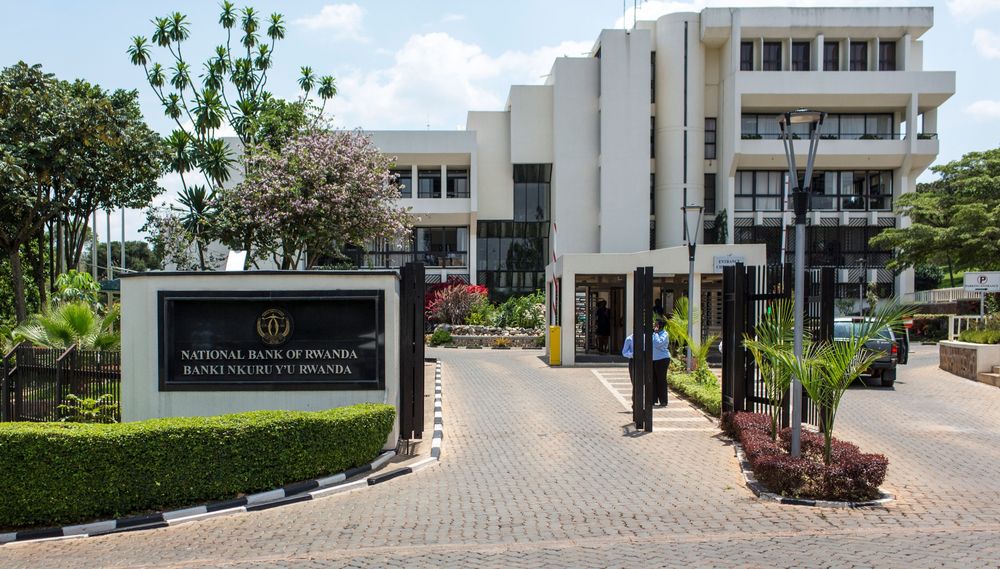
BANKING SERVICES & CURRENCY
The Rwandan franc (Rfr) is the principal currency, although US dollars are widely accepted.
Expect to pay for local services in cash, in Rwandan francs. The greater the amount, the more likely US dollars or other hard currencies are preferred, such as gorilla tracking and upmarket hotels.
A growing number of places accept credit and debit cards, with Visa being more widely accepted than Mastercard. It’s best to check when making a booking.
ATMs can be found in Kigali and nearly all major cities.
Cash can be exchanged at banks and private forex bureaux (bureau de change). Both are closed on Sundays and public holidays.
It may be impossible to exchange traveller’s cheques away from the capital. Western Union facilities are common.
Tipping is discretionary and appreciated. Cash is usually preferred. As a rough guide, tip professional guides and drivers US $10 per day, trekking porters US $2.
TELECOMMUNICATION
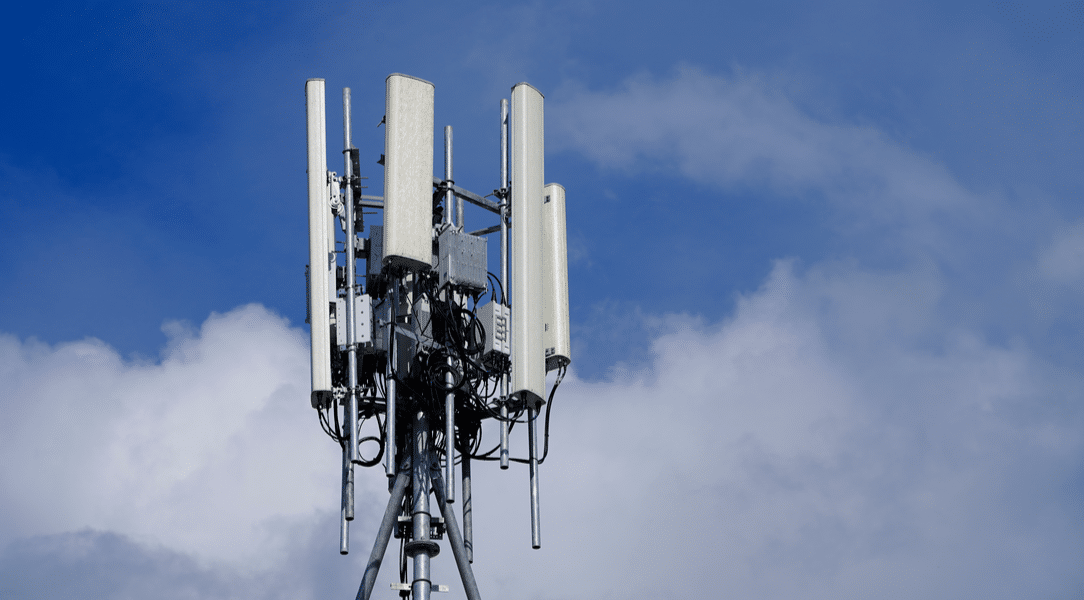
Rwanda has an excellent mobile phone network covering almost the entire country, and international calls can be made easily.
Local SIM cards are readily available everywhere, even in remote towns. The main provider is MTN (coverage map), followed by Tigo. Mobile phones can be purchased or rented from major shops in Kigali.
Rwanda is among the top three African countries in terms of internet connectivity, with an ever-growing fibre optic network. There is high speed 4G LTE wireless broadband in major cities.
Most towns have several internet cafes and WIFI is available in higher end hotels.
ELECTRICITY SUPPLY
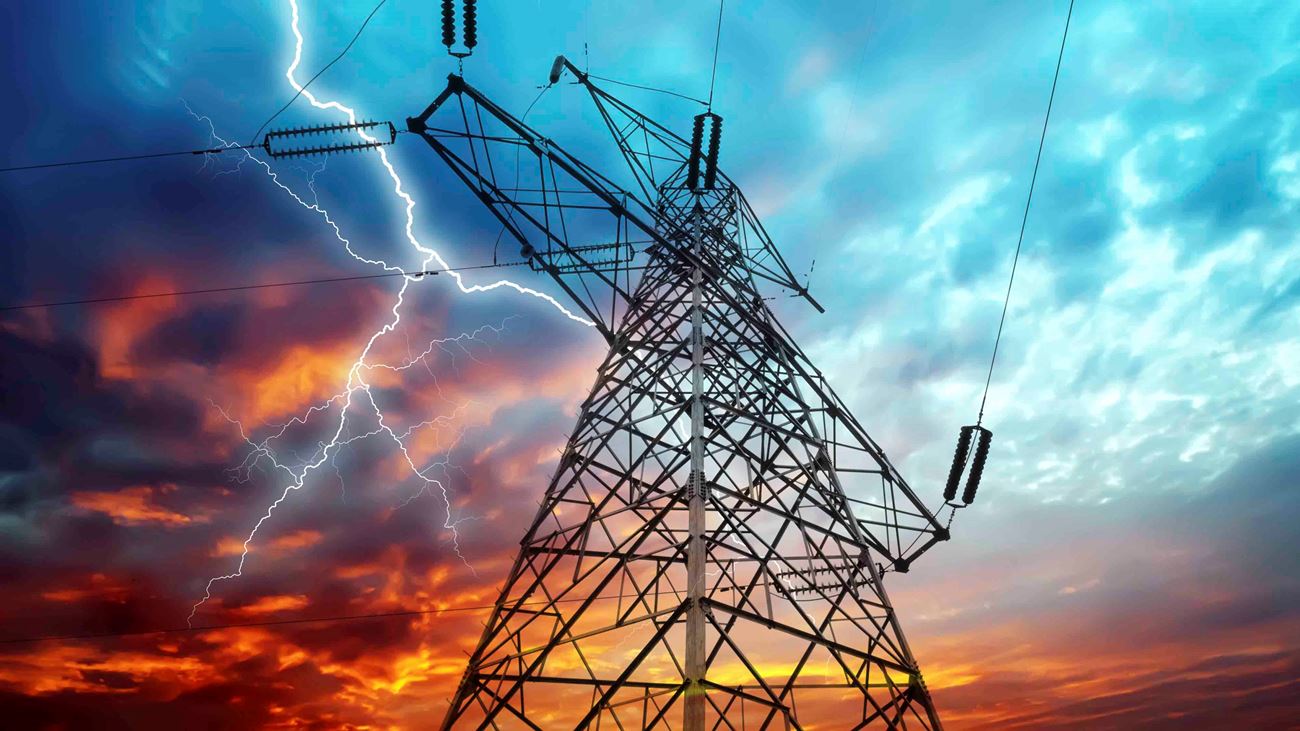
The Government of Rwanda envisions transitioning from a developing country to a middle-income country. To achieve this goal, the government is targeting 100% electricity access by 2024. Rwanda is endowed with natural energy resources including hydro, solar, and methane gas. It currently only has 218 MW of installed generation capacity. According to the International Energy Agency (IEA), Rwanda’s national electrification rate is estimated at 30% (12% in rural areas, 72% in urban areas).
DRIVER'S LICENSE
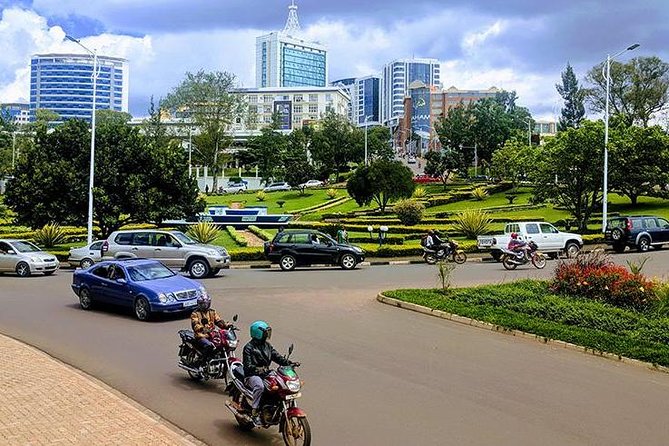
To drive a car in Rwanda you must have a driving license and the vehicle you are driving must be registered with the competent government authority. Disobeying or breaking traffic laws can result in big fines, loss of your driving license or even imprisonment.
Using a mobile phone while driving is prohibited unless you do so using a hands free kit.
The laws are particularly strict regarding speed limits and driving while having taken alcohol. The speed limit in towns is 40 km/h and the speed limit going in provinces is 60 km/h. It is prohibited to drive while having taken more than 0.8 mg of alcohol per 1 litre of blood. It is discouraged to drive while having taken alcohol. If suspected of driving while drunken, you are tested and if found that you have more than 0.8 mg of alcohol per 1 ml of blood; you are punishable of imprisonment from 3 days up to 6 months maximum.
International driving permits are accepted as long as they are valid for the period of your visit in Rwanda or trip in Rwanda. The international driving permit is accepted to be in use for only one year and thereafter you must acquire the Rwandese driving permit.
PLASTIC BAGS
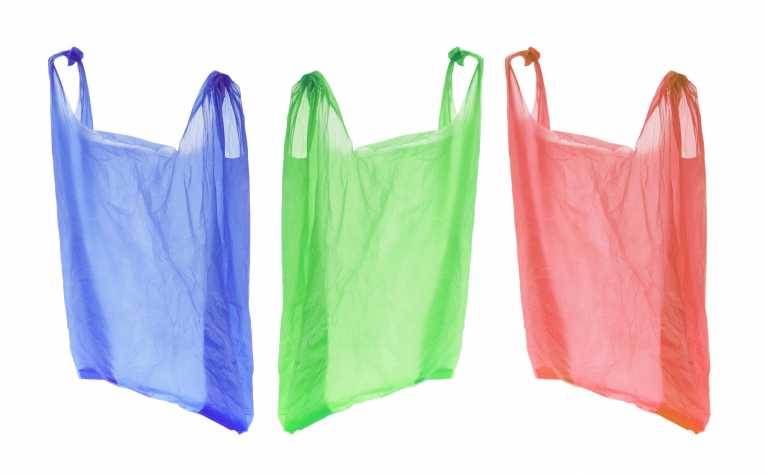
Please refrain from bringing plastic bags to Rwanda. Banned by law since 2008, any plastic bags in your luggage will be confiscated at the airport or other point of entry.
As a country we strive to protect, safeguard and promote the environment – a matter which is written in to our constitution and carefully observed by our citizens, who all participate in a community service called Umuganda on the last Saturday of every month.
We respectfully request that all visitors help us keep Rwanda the cleanest country in Africa, and dispose of all litter responsibly.
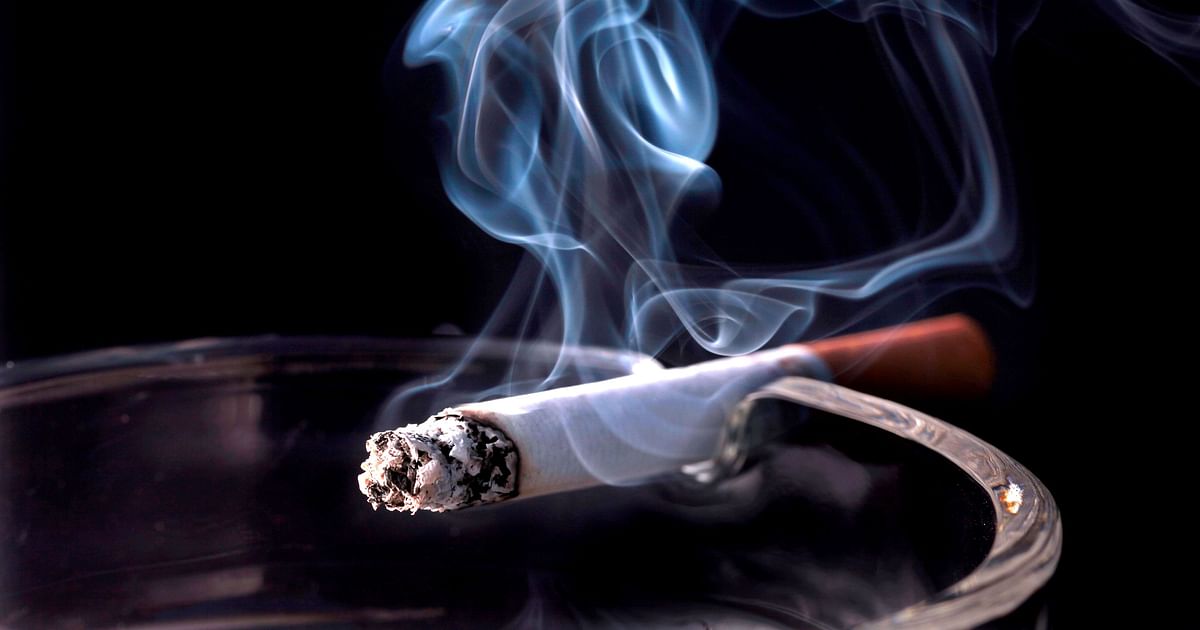
SMOKING
The law prohibits smoking in all indoor public places, indoor workplaces, and on public transport, but permits the owner or manager of the premises to create a designated smoking area within the premises. Designated smoking areas must meet certain technical requirements, including separate ventilation.
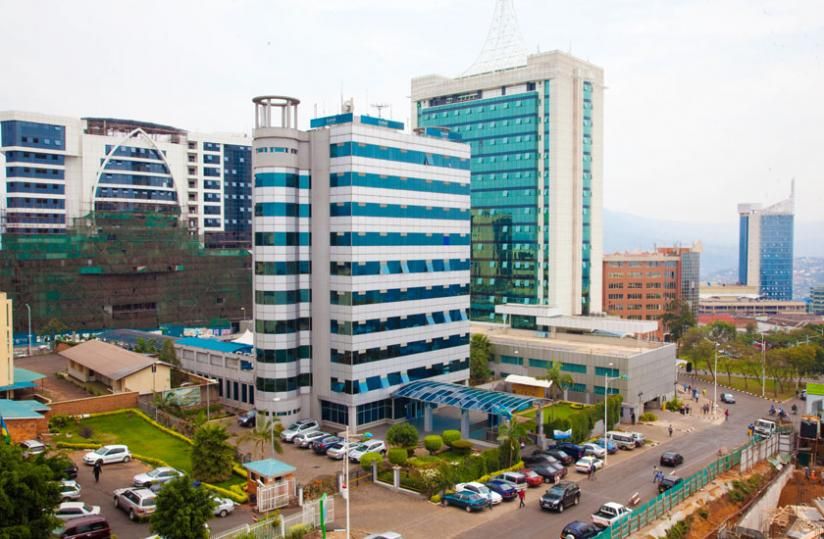
BUSINESS & SHOPPING
Governmental offices: 7 a.m. to 4 p.m. - Monday to Friday (generally with a one-hour lunch break)
Private sector (offices): 8 a.m. to 5 p.m. – Monday to Friday (generally with a one-hour lunch break) – 8 a.m. to 1 p.m. on Saturdays
Banking sector: 8 a.m. to 5 p.m. - Monday to Saturday.
Shops: from 8 a.m. to 6 p.m. - from Monday to Saturday. Many shops close early on Saturday and remain closed on Sunday (however, supermarkets and shopping malls are open 7 days a week)
Umuganda is a national holiday in Rwanda taking place on the last Saturday of every month for mandatory nationwide community work from 08:00 to 11:00. Participation in Umuganda is required by law, and failure to participate can result in a fine.